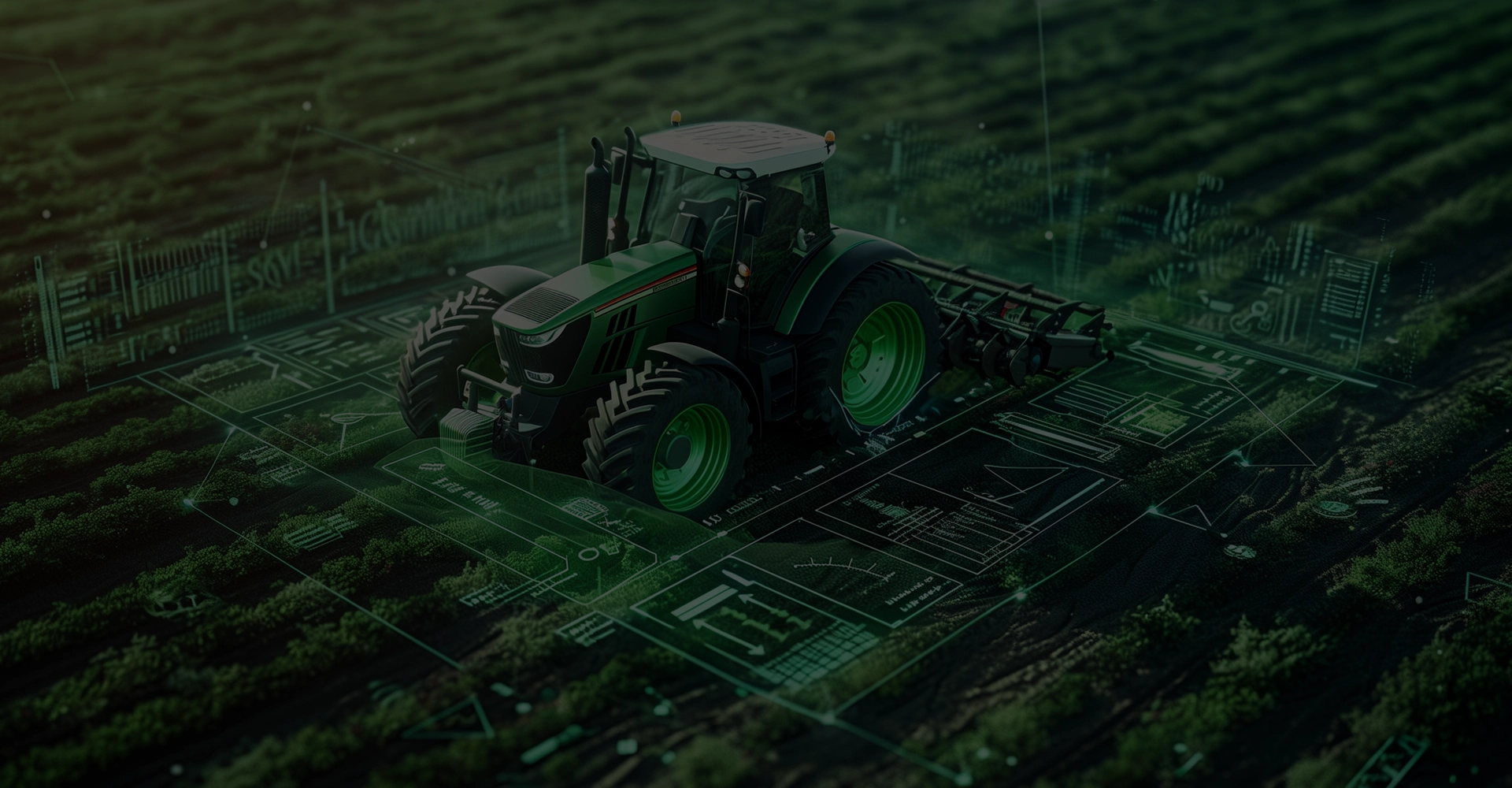
The evolution of modern agronomic systems
Contemporary agriculture balances maximizing yields with environmental stewardship, transforming vast landscapes into productive ecosystems through advanced management, precise biological understanding, and the integration of rigorous scientific methodologies.
Mastering advanced cultivation methods
Soil preparation dictates the success of the entire growing season. Farmers analyze nutrient composition and pH levels before selecting specific tillage protocols that optimize root penetration. By integrating crop rotation schedules, producers naturally break pest cycles and replenish nitrogen levels, ensuring the land remains fertile for subsequent planting phases without excessive chemical intervention. For more information and detailed best agricultural practices, visit agriculturegate.com.
Optimizing crop yields and harvest cycles
Optimizing the harvest requires monitoring moisture content and physiological maturity daily. Grain producers deploy automated sensors to track phenological stages, aiming for the window where nutritional value peaks. This logistical scheduling minimizes spoilage and guarantees commodities meet rigorous quality standards demanded by global food processing industries and export markets.
01
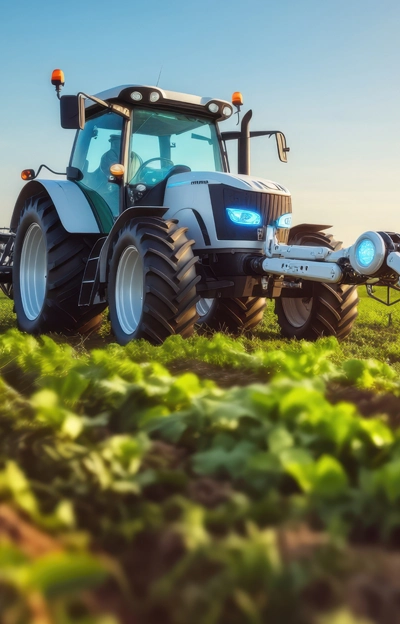
Autonomous tractor systems
GPS-guided units cultivate fields with centimeter-level accuracy, reducing fuel consumption and overlap errors during seeding operations.
02
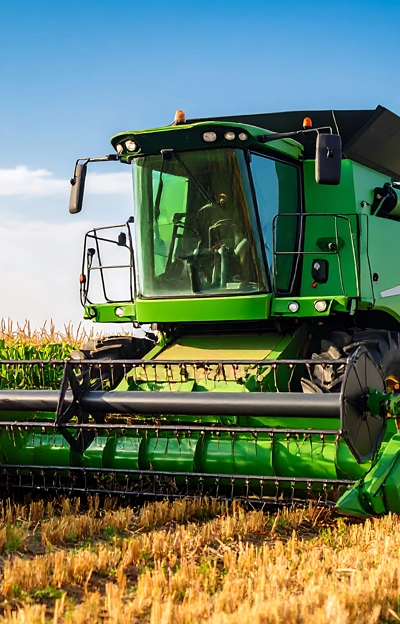
High-capacity threshing operations
Axial-flow threshing mechanisms separate grain from chaff efficiently, adjusting concave settings automatically based on real-time biomass conditions.
03
Precision irrigation networks
Micro-irrigation lines deliver water directly to root zones, optimizing hydric resources and preventing fungal diseases caused by excess humidity.

Regenerative practices for ecological balance
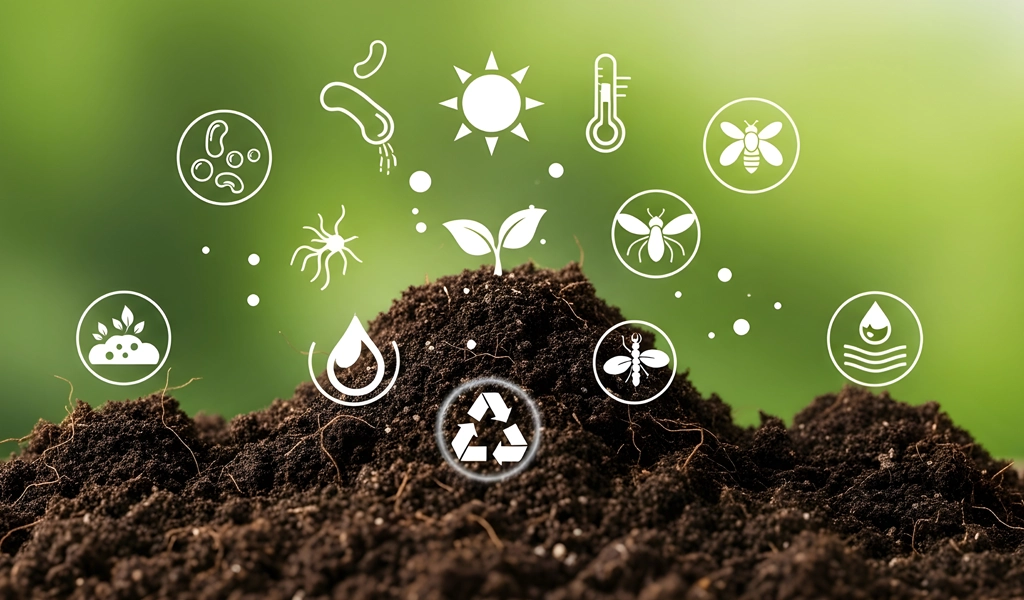
Implementing cover crops during fallow periods protects topsoil from erosion while sequestering atmospheric carbon. These biomass layers decompose to form organic matter, enhancing soil structure and fostering beneficial microbial activity. Such agro-ecological approaches reduce dependency on synthetic fertilizers, creating a resilient agricultural ecosystem that thrives naturally.
Ecological corridors planted along field margins support pollinator populations, essential for fruit set, while providing refuges for auxiliary insects that control crop pests.

Ethical standards for animal welfare

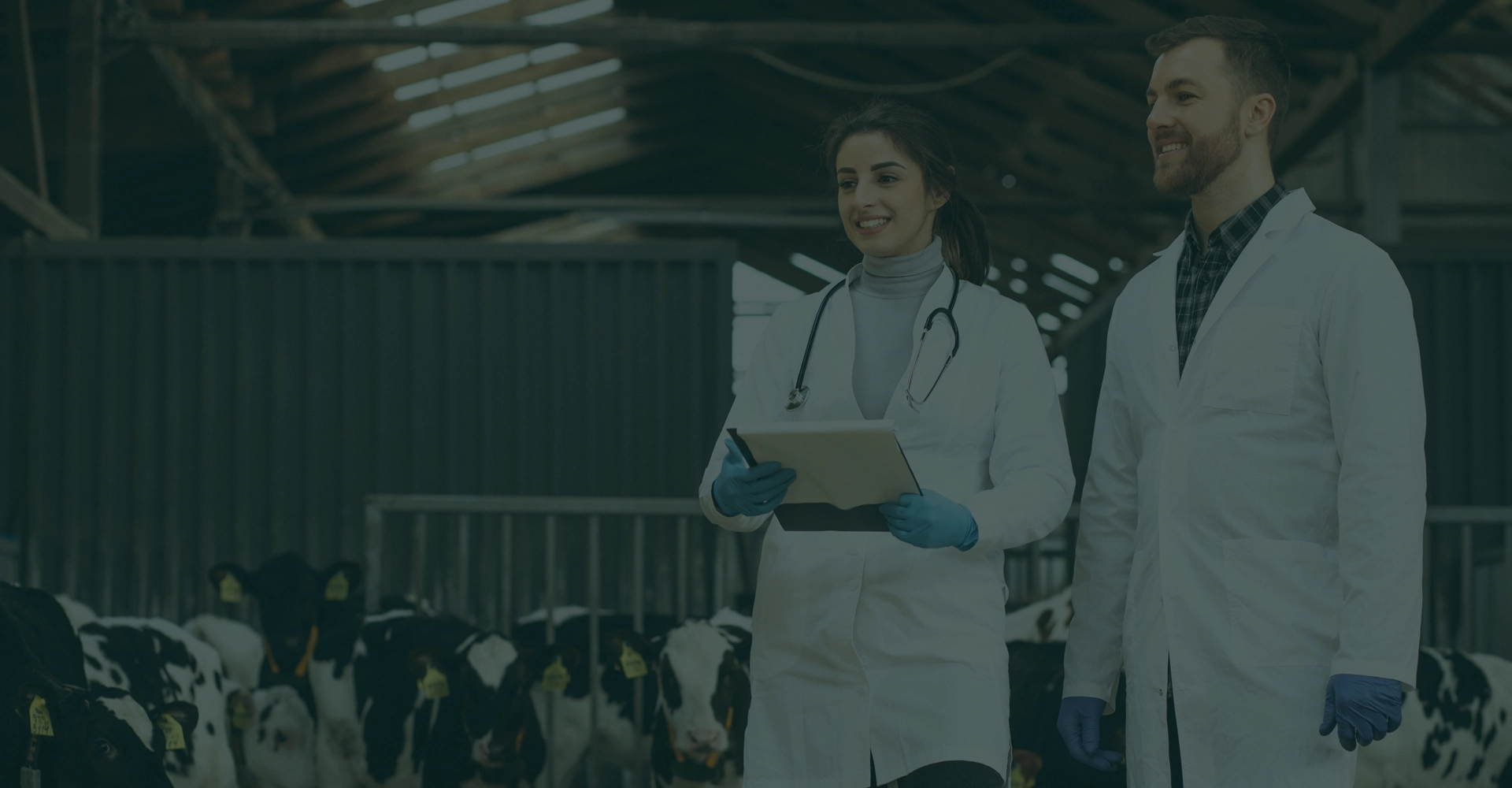
Precision management of livestock
Livestock management software tracks individual performance metrics, from vaccination schedules to weight gain. Dieticians formulate rations balancing proteins and fibers, ensuring optimal feed conversion while maintaining high sanitary standards in breeding facilities.

Strategies in prophylaxis and disease control
Preventing pathogen introduction remains the primary prophylaxis in modern facilities. Strict quarantine measures for new stock, combined with regular veterinary audits, establish a protective barrier against epizootic outbreaks that could devastate livestock lines.
Innovations in AgTech equipment
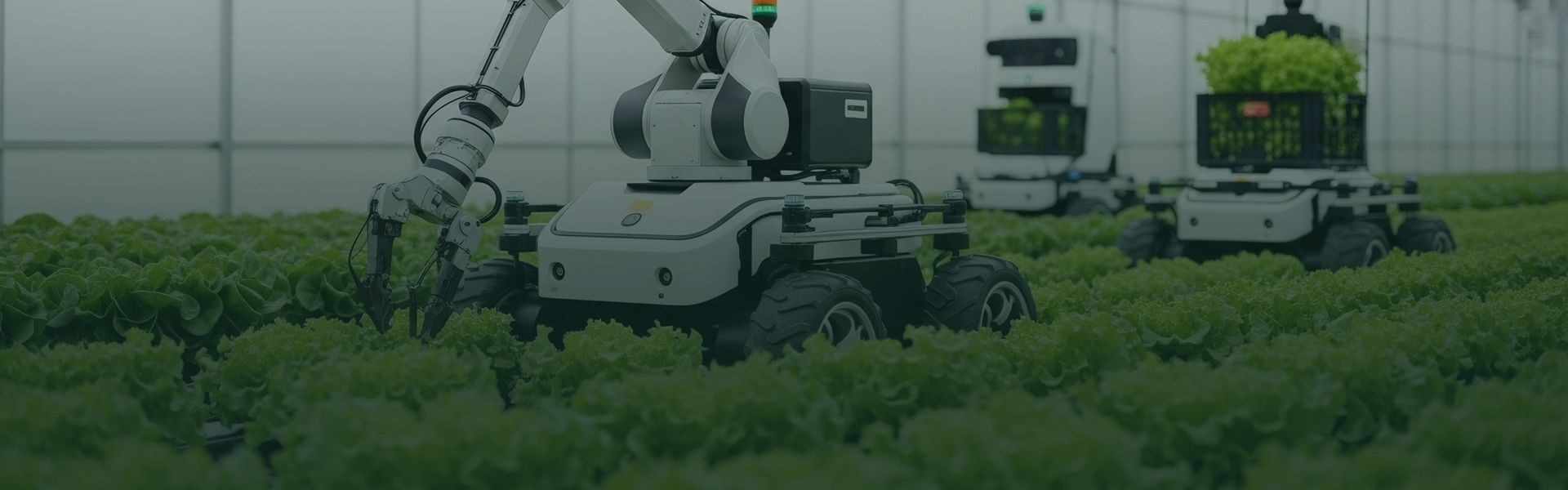
Smart implements focus on precision farming to optimize efficiency across diverse crops. Simultaneously, field trials assess performance under various pedoclimatic conditions. This technological integration provides actionable insights, allowing farmers to adjust seeding rates and fertilization schedules for maximum yield per hectare.
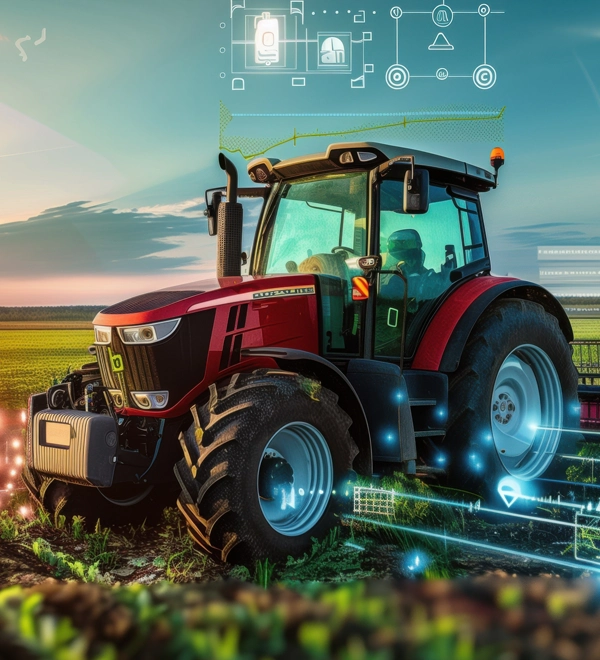
Advanced tractor technologies
Connected tractors streamline field operations, reducing energy consumption and labor while enhancing agronomic accuracy and overall productivity.
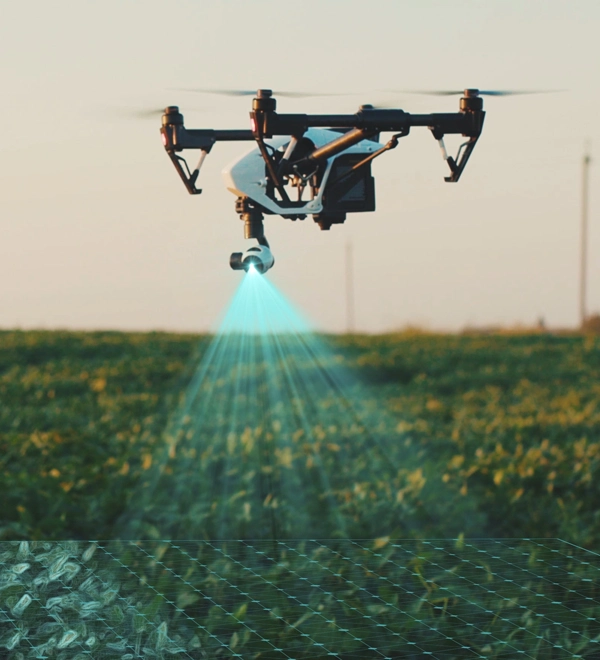
Drone monitoring systems
Drones capture multispectral images to detect crop stress, parasitic infestations, and irrigation needs early, enabling timely phytosanitary interventions
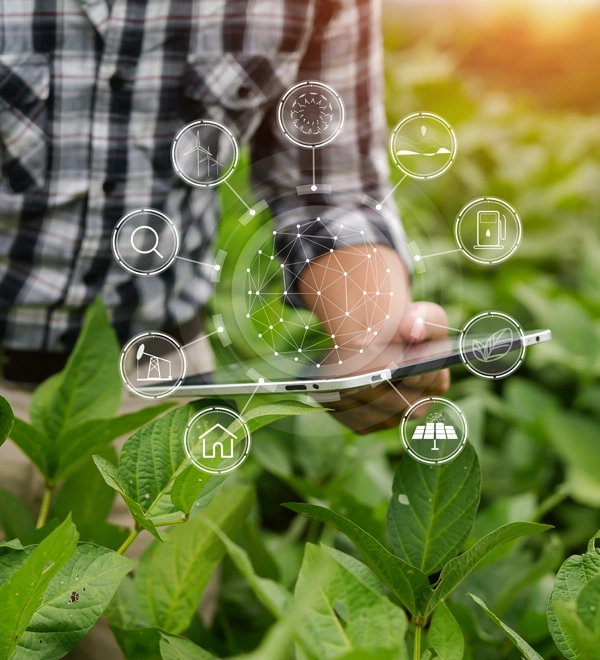
Smart agronomic analytics
Big Data platforms analyze sensor readings, weather trends, and soil conditions to forecast optimal harvesting periods and improve input allocation efficiently.
Future innovations
Merging R&D with modern farming
The fusion of cutting-edge research and agricultural knowledge shapes the future of sustainable food production. Digital technologies enhance rather than replace farmer expertise, providing actionable data. This approach supports decisions that honor natural growth patterns while addressing the rising nutritional needs of an expanding demography.